The global energy sector is currently witnessing a transformation that historians may one day view as significant as the Industrial Revolution. Solar energy, once regarded as a niche technology for environmental enthusiasts, has matured into a dominant economic force. According to recent data from the International Energy Agency (IEA), solar investment is now outpacing spending on oil production, marking a definitive shift in how the world powers its future.
This transition is not merely about environmental stewardship; it is a story of economics, technological breakthroughs, and energy security. From the rooftops of suburban homes to massive utility-scale arrays in the Mojave Desert, photovoltaic (PV) technology is reshaping the grid. The question is no longer if solar will become the primary energy source, but how quickly the transition can be completed.
As we navigate 2024, the "who, what, where, why, and how" of solar energy reveals a sector that is innovating at breakneck speed. This article delves into the current state of the solar industry, examining the mechanisms driving its adoption and the implications for businesses and homeowners alike.
The "What" and "How": Understanding the Technological Leap
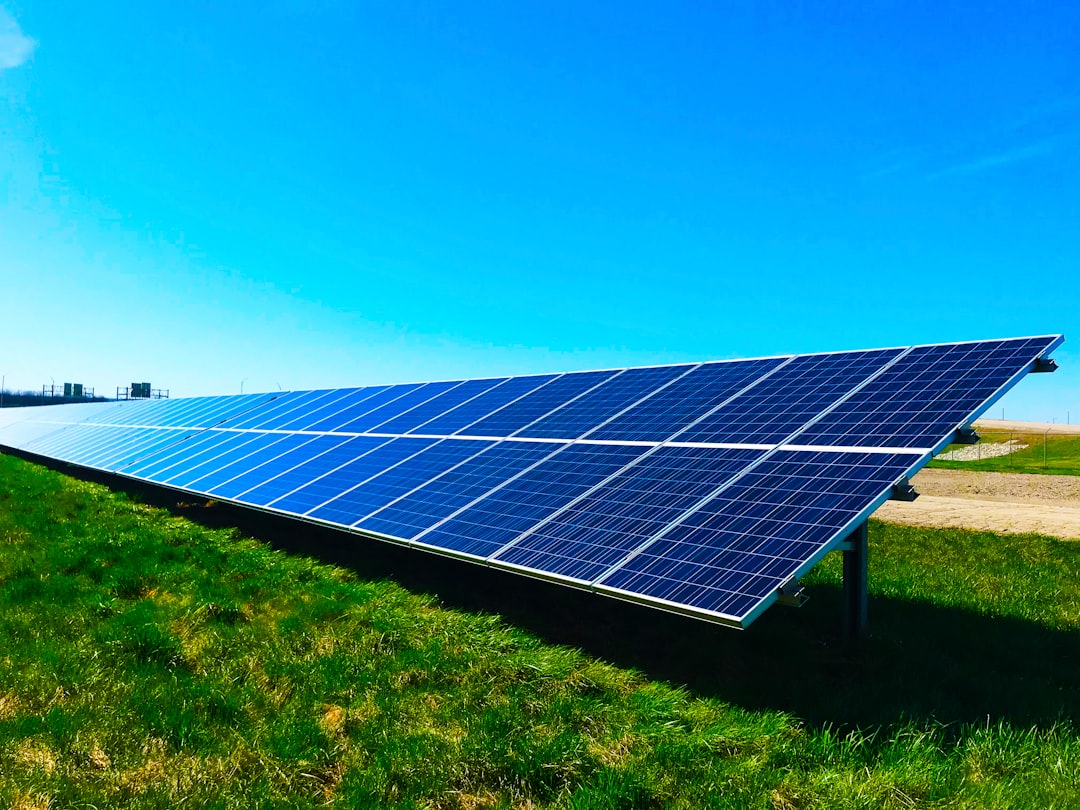
At its core, solar energy is the conversion of sunlight into electricity using photovoltaics (PV). While the basic physics remains unchanged since the invention of the first practical solar cell in 1954, the efficiency and manufacturing processes have undergone a radical evolution. Modern solar panels are sleek, highly efficient, and increasingly durable.
How it works: When sunlight hits a solar panel, the PV cells absorb particles of light known as photons. This absorption knocks electrons loose from their atoms, generating a flow of electricity. This direct current (DC) is then converted into alternating current (AC) by an inverter, making it usable for household appliances and the commercial grid.
The most significant news in recent months concerns efficiency rates. For decades, standard silicon panels hovered around 15-18% efficiency. Today, commercial panels routinely exceed 22%, and cutting-edge "tandem" cells—which layer different materials like perovskite over silicon—are breaking the 30% barrier in laboratory settings. This means we can now generate more power in smaller spaces, making solar viable for urban environments where roof space is at a premium.
"The efficiency gains we are seeing in 2024 are not incremental; they are exponential. We are approaching the theoretical limits of silicon, pushing the industry toward new, hybrid materials that will redefine energy density." – Dr. Elena Ross, Senior Renewable Energy Analyst.
The "Why": Economics Over Ideology
Why has solar adoption skyrocketed? While climate change mitigation remains a critical driver, the primary engine of growth is now financial. The "levelized cost of electricity" (LCOE) for utility-scale solar has dropped by nearly 90% over the last decade. In many parts of the world, building a new solar farm is now cheaper than continuing to operate an existing coal plant.
Key Economic Drivers:
- Economies of Scale: Massive manufacturing hubs, particularly in Asia, have driven down the cost of hardware.
- Government Incentives: Policies such as the Inflation Reduction Act (IRA) in the United States and the Green Deal in Europe provide tax credits that significantly lower the barrier to entry.
- Energy Security: Volatile fossil fuel markets, exacerbated by geopolitical conflicts, have pushed nations to seek domestic, decentralized energy sources.
For the average homeowner, the "why" is often seen on the monthly utility bill. With electricity rates climbing globally, solar offers a way to lock in energy costs for 25 years or more. The return on investment (ROI) for residential systems has improved drastically, with many systems paying for themselves in 5 to 7 years.
The "Who" and "Where": A Global Race for Dominance
The adoption of solar energy is a global phenomenon, but the distribution is uneven. Who is leading the charge? Currently, China dominates the supply chain, controlling over 80% of global solar panel manufacturing. However, the United States, India, and the European Union are aggressively investing in domestic manufacturing to reduce dependency.
Where is adoption happening?
- China: The undisputed leader in installed capacity, adding more solar in a single year than the entire total capacity of the United States.
- European Union: Driven by the energy crisis, residential and commercial installations have surged, particularly in Germany, Spain, and the Netherlands.
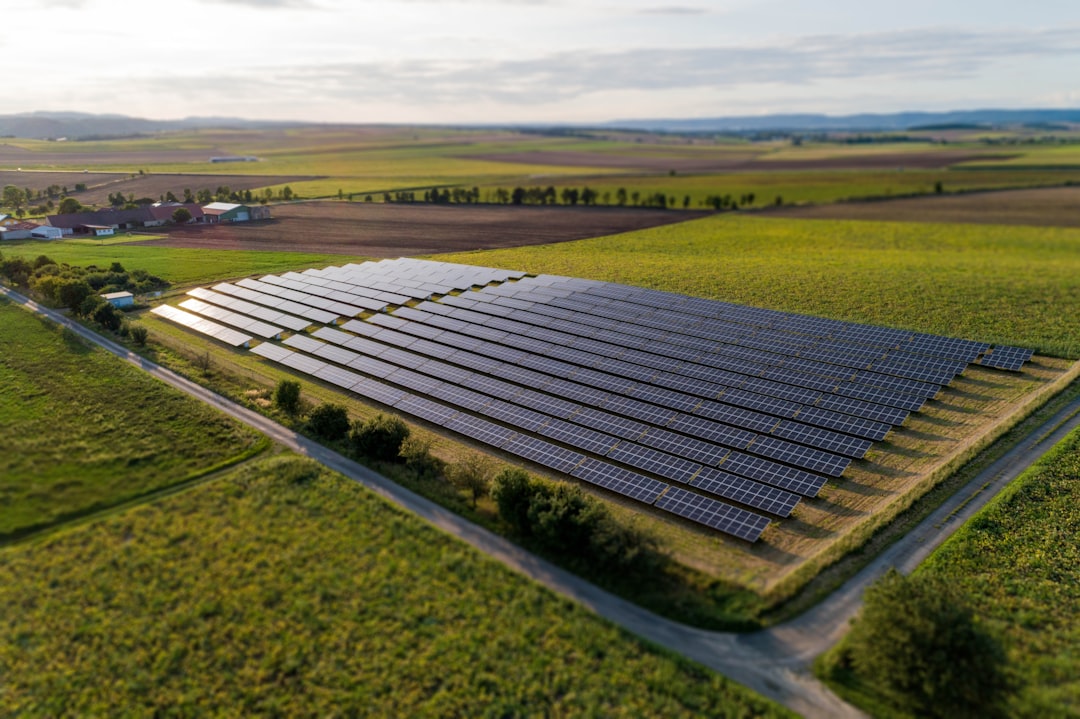
- United States: Utility-scale projects are booming in states like Texas and California, while Florida continues to expand its residential solar footprint.
- Emerging Markets: Nations in Africa and Southeast Asia are increasingly leapfrogging traditional grid infrastructure, opting for decentralized microgrids powered by solar and battery storage.
The "When": The Urgency of Storage and Grid Modernization
The "when" of solar energy is complicated by the sun's schedule. Solar is an intermittent power source; it produces energy when the sun shines, which doesn't always align with peak demand hours (typically early evening). This brings us to the most critical component of the modern solar conversation: Energy Storage.
The news story of 2024 is not just about panels; it is about batteries. The deployment of Lithium-Iron-Phosphate (LFP) batteries has surged, allowing homeowners and utilities to store excess energy generated at noon and deploy it at night. This concept, known as "load shifting," is essential for stabilizing the grid.
Without storage, grid operators face the "Duck Curve"—a graph shape that shows a steep drop in net demand during the day (due to solar) followed by a rapid ramp-up in the evening. To solve this, utilities are investing billions in grid modernization to handle bi-directional energy flows, where consumers sell power back to the grid.
Challenges and Future Outlook
Despite the optimism, the industry faces hurdles. Supply chain constraints, labor shortages for installation crews, and permitting delays are significant bottlenecks. In the United States, a backlog of projects is waiting for interconnection approval, slowing the pace of deployment.
Furthermore, the recycling of solar panels is an emerging environmental concern. As the first generation of panels reaches the end of their 25-year lifespan, the industry must develop robust recycling infrastructures to recover valuable materials like silver, silicon, and aluminum.
Actionable Insights for Consumers
If you are considering joining the solar revolution, here is how to navigate the current market:
- Audit Your Usage: Before sizing a system, reduce your consumption through energy efficiency upgrades (LEDs, insulation).
- Shop for Storage: Don't just look at panels. Ask installers about battery integration for backup power and time-of-use rate arbitrage.
- Verify Incentives: Research local, state, and federal tax credits. These can offset 30% or more of the total system cost.
- Check Credentials: Ensure your installer is certified by recognized industry bodies, such as NABCEP in North America.
Conclusion
Solar energy has graduated from an alternative experiment to a cornerstone of the global economy. The convergence of high-efficiency technology, falling costs, and urgent climate goals has created a perfect storm for adoption. As storage technology catches up with generation capacity, the vision of a 24/7 renewable grid is becoming a tangible reality.
The shift is inevitable, but the speed of adoption relies on informed consumers and forward-thinking policy. Whether for economic savings or environmental impact, the argument for solar has never been stronger. The sun is rising on a new era of energy independence, and the tools to harness it are ready for deployment.
For further information on the data sources used in this article, or to request a detailed breakdown of regional solar incentives, please contact our research desk at skye29@example.com.